Introduction: Why Prices Change
Have you ever noticed that a candy bar that used to cost $1 now costs $2? Or that gas prices seem to go up and down all the time? These changes are not random. They are part of how money and prices work in our world. Two important ideas help explain this: inflation and deflation.
This post explains inflation and deflation in simple terms, around a 6th grade level. We will also explain how the U.S. dollar used to be connected to gold, how it works today, and how money around the world is connected.
Understanding these ideas helps people make better choices about saving, spending, and planning for the future.
What Is Inflation?
Inflation means that prices go up over time. When inflation happens, money does not buy as much as it used to.
For example:
- A loaf of bread costs $2 today
- A few years later, the same bread costs $3
The bread did not get bigger or better. Instead, the value of money went down a little. That is inflation.
A Simple Way to Think About Inflation
Imagine you have a $10 bill.
- Today, $10 buys 10 snacks at $1 each
- Later, snacks cost $2 each
- Now $10 only buys 5 snacks
Your money still says $10, but it has less buying power.
That loss of buying power is inflation.
Why Does Inflation Happen?
Inflation can happen for several reasons:
1. More Money Is Created
When a lot of new money is added to the economy, people have more money to spend. If there are not more goods to buy, prices often rise.
Think of it like this:
- Too many people chasing the same number of toys
- Sellers raise prices because they can
2. Costs Go Up for Businesses
If it costs more to make or move products, businesses often raise prices.
Examples include:
- Higher gas prices
- Higher wages for workers
- Shortages of materials
3. High Demand
If everyone wants the same thing at the same time, prices often rise.
For example:
- Many people want houses
- There are not enough houses
- Home prices increase
How Inflation Affects People
Inflation affects almost everyone.
1. Higher Prices
People pay more for:
- Food
- Gas
- Rent
- Clothes
- Utilities
This makes it harder to afford basic needs.
2. Savings Lose Value
Money saved in cash loses value during inflation.
For example:
- You save $1,000
- Inflation is high
- That $1,000 buys less in the future
This is why people look for ways to earn interest or invest.
3. Wages May Not Keep Up
Sometimes paychecks do not rise as fast as prices.
When this happens:
- People feel poorer
- Families may cut back spending
- Stress increases
Is Inflation Always Bad?
A small amount of inflation is normal and even healthy for the economy.
It can:
- Encourage spending instead of hoarding money
- Help businesses grow
- Make it easier to pay back debts with future dollars
Problems happen when inflation is too high or lasts too long.
What Is Deflation?
Deflation is the opposite of inflation.
Deflation means that prices go down over time.
For example:
- A pair of shoes costs $50
- Later, the same shoes cost $40
At first, this sounds good. Who does not like lower prices?
But deflation can cause serious problems.
Why Deflation Can Be Dangerous
1. People Stop Spending
If people think prices will keep falling, they wait to buy things.
For example:
- Why buy a TV today if it will be cheaper next month?
When people stop spending:
- Businesses earn less
- Companies cut jobs
- The economy slows down
2. Businesses Lose Money
Lower prices mean lower profits.
Businesses may:
- Cut worker hours
- Lay off employees
- Close stores
3. Debt Becomes Harder to Pay
During deflation, money becomes more valuable.
That sounds good, but:
- Debts stay the same
- Income may fall
This makes loans harder to pay back.
How Deflation Affects People
Deflation can cause:
- Job losses
- Lower wages
- Less spending
- Economic slowdowns
This is why governments and central banks usually try to avoid deflation.
Inflation vs. Deflation: A Quick Comparison
- Inflation: prices rise, money buys less
- Deflation: prices fall, money buys more
Both can be harmful if they are too strong or last too long.
The goal is balance.
What Is Money?
Money is a tool people use to:
- Buy and sell goods
- Save value
- Measure prices
Money only works because people trust it.
The Dollar and Gold: How It Used to Work
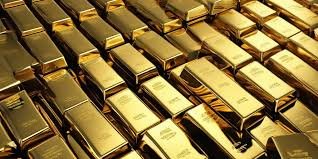
Long ago, the U.S. dollar was connected to gold.
This was called the gold standard.
What Is the Gold Standard?
Under the gold standard:
- Each dollar could be exchanged for a certain amount of gold
- The government promised to hold gold to back the money
This helped limit how much money could be created.
Why the Gold Standard Ended
Over time, the gold standard became hard to keep.
Reasons included:
- The economy grew faster than gold supplies
- Wars and emergencies needed more money
- Global trade became more complex
In 1971, the United States officially ended the gold standard.
What Backs the Dollar Today?
Today, the U.S. dollar is not backed by gold.
It is backed by:
- Trust in the U.S. government
- The strength of the U.S. economy
- Laws that say the dollar must be accepted for payments
This type of money is called fiat money.
Fiat money has value because people agree it has value.
Money Around the World
Most countries today use fiat money.
Examples include:
- U.S. Dollar
- Euro
- British Pound
- Japanese Yen
These currencies are not backed by gold.
How World Currencies Are Connected
Money around the world is connected through:
- Trade
- Banking systems
- Exchange rates
Exchange Rates
An exchange rate shows how much one currency is worth compared to another.
For example:
- 1 U.S. dollar may equal a certain amount of euros
If a currency becomes weaker:
- Imports cost more
- Inflation can rise
The Dollar’s Special Role
The U.S. dollar is used more than any other currency in the world.
It is used for:
- International trade
- Oil and energy purchases
- Global savings
Because of this, changes in the dollar affect many countries.
How Inflation, Deflation, and Money Affect Daily Life
These ideas affect:
- Grocery bills
- Rent and mortgages
- Savings accounts
- Jobs and wages
Understanding them helps people:
- Budget better
- Save wisely
- Make smarter money choices
Final Thoughts
Inflation means prices go up and money buys less. Deflation means prices go down and money buys more, but can hurt the economy.
The U.S. dollar used to be backed by gold, but today it is backed by trust and economic strength.
Money works because people believe in it and agree to use it.
By understanding inflation, deflation, and how money works, people can feel more confident and prepared when prices change.